Sun Valley 26 · October 13-14, 2026

SV26 Session Recordings

Recordings from the Mountain Towns 2030 Climate Summit, with a one-page summary of key takeaways for every session and presenter slides where available.

Thank you for joining us in Sun Valley! Here are all 37 recorded sessions from the summit. Watch the full sessions, download the one-page takeaways, and share them with your community.

Main Stage

Keynotes, panels, and conversations from the Limelight Ballroom.

Panel

Day 1, Tue Oct 13 · 8:45-9:20 AM

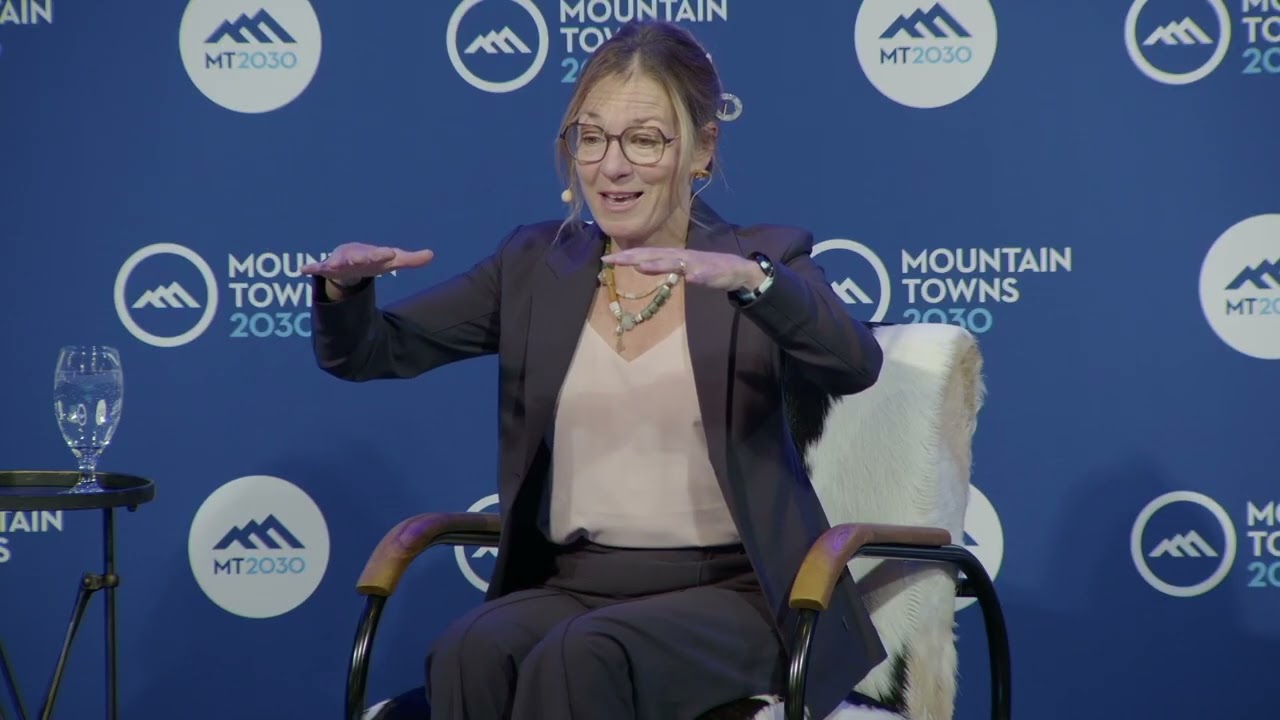
Mayors Leading Through the Headwinds

With: Lauren McLean, Mayor, City of Boise; Kate Wright, Executive Director, Climate Mayors

About this session

Boise Mayor Lauren McLean and Climate Mayors Executive Director Kate Wright talk about how cities keep making climate progress without help from the state or federal government. Kate shares that across the Climate Mayors network, cities have grown GDP 11% while cutting fossil fuel use 3.5%, and that the network has kept adding climate policies under every administration.

Mayor McLean describes Boise's geothermal system, which heats more than 70 downtown buildings, and a Bloomberg Mayors Challenge award to extend it to deeply affordable housing near Boise State, the first direct-source geothermal heat for multifamily housing in the country, saving residents up to $1,000 a year. She also covers electrifying city buildings and fleet, doubling the tree canopy by 2030, and working in a Dillon's rule state where the legislature has rolled back local codes. Her advice for small towns: set goals, build coalitions of the willing, and talk about people and place.

Panel

Day 1, Tue Oct 13 · 9:25-10:00 AM

Circularity Expanded: Agriculture and Materials in the Local Climate Loop

With: Lance Davisson, Owner and Principal Consultant, The Keystone Concept; Amy Mattias, Executive Director, Future Roots; Grant Loomis, University of Idaho Extension; Betsy Siszell, Sustainability Manager, Sun Valley Resort; Nate Francisco, Executive Director and CEO, Southern Idaho Solid Waste; Emily Williams, Sustainability and Grant Coordinator, City of Hailey

About this session

Wood River Valley leaders show how circularity works on the ground, from farms and food to recycling and compost. These programs last because they make fiscal sense and run on partnerships, not big budgets.

Southern Idaho Solid Waste shares that local diversion kept about 20,000 tons out of the landfill last year, and its landfill gas facility turns methane into electricity. The City of Hailey's smart compost bins grew from four to seven in weeks and now divert about 2,000 pounds of food waste a week. Sun Valley Resort runs around 19 recycling streams and found new homes for 150 lodge beds in two weeks instead of trucking them to the landfill. Future Roots works to shorten food supply chains and keep food dollars local, and University of Idaho Extension covers soil health, compost on farm fields, and farm tours for elected officials.

Conversation

Day 1, Tue Oct 13 · 10:30-11:00 AM

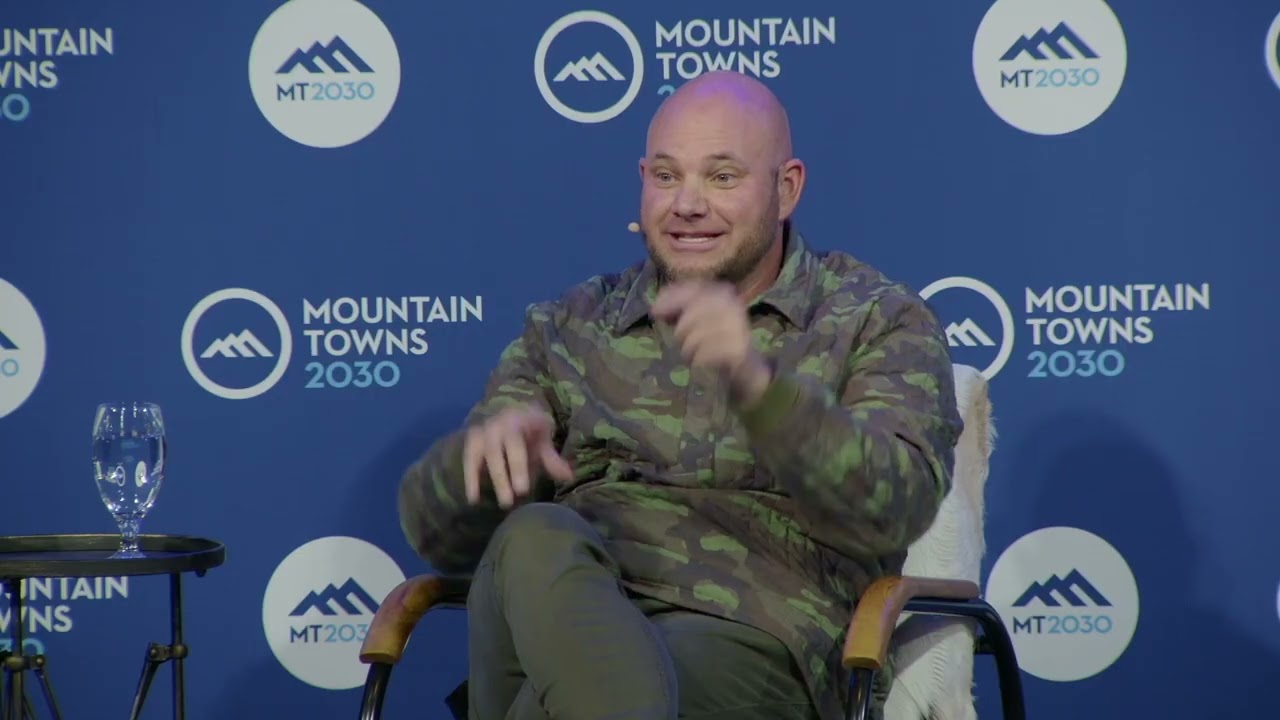
A Conversation with Torus CEO Nate Walkingshaw and Molly Wood

With: Nate Walkingshaw, CEO, Torus, Inc.; Molly Wood, Journalist, Molly Wood Media, and host of the Everybody in the Pool podcast

About this session

Torus CEO Nate Walkingshaw sits down with journalist Molly Wood to explain how a flywheel he first built to power his own tree farm became grid infrastructure. For mountain towns facing high power costs, data center load growth, and a strained grid, the conversation gets practical about storage, congestion, and who pays.

The session opens with a Torus video announcing a partnership with Rocky Mountain Power for 70 megawatts of demand response, expanding to 500 megawatts. Nate explains how a utility conversation pushed the company to megawatt scale, and how 20-year agreements remove upfront costs. The clearest example is Ticaboo, Utah, a remote town that has run on diesel generators since the 1970s and paid 83 cents per kilowatt hour. With solar, flywheels, and storage, Torus is targeting 24 cents, and the town is already at 33. Audience questions cover microgrids, excess solar, snowmaking, and data centers.

Keynote

Day 1, Tue Oct 13 · 11:05-11:45 AM

The Climate Movement's Missing Voters

With: Nathaniel Stinnett, Founder and Executive Director, Environmental Voter Project

About this session

Three weeks before the 2026 midterms, Nathaniel Stinnett makes the case that the climate movement's biggest gap is political power, and that a lot of it is sitting on the sidelines. Because whether you vote is public record, campaigns build their outreach and polling around people who vote, and very few of those voters list climate as their top issue: 4% in 2020 and 7% in 2024 exit polls.

The Environmental Voter Project found 11.2 million registered voters who rank climate or the environment first but stayed home in 2024. Nathaniel explains how the group finds them with predictive models and runs more than 300 randomized controlled trials a year to learn which messages get them voting. The lesson for anyone in the behavior change business: treat people as social animals, not rational ones. Peer pressure and identity ("be a good voter") work better than explaining why an action matters. In Q&A he explains why most Americans see climate as personal rather than political.

Panel

Day 1, Tue Oct 13 · 5:40-6:15 PM

Two Years Later: Where the Climate Fight Actually Lives

With: Benji Backer, Founder and CEO, United by Nature; Nadia Gill, Filmmaker, director of The [Conserv]atives; Anna Robertson, Board Member, Mountain Towns 2030

About this session

Two years after his talk at the Jackson summit, Benji Backer returns with filmmaker Nadia Gill, whose documentary The [Conserv]atives follows his effort to bring conservatives to the table on the environment. After the trailer, Anna Robertson asks where climate progress can happen when federal politics are stuck.

Backer explains why he now calls himself an independent: only 7% of Americans say they have taken part in any environmental group in the last decade, while about 90% say they care. His focus is now local, unifying issues like saving the saguaro and green space within a half mile of every family. Gill describes how the film led her toward local action, including a community solar idea in Truckee, and why environmental films may work better for smaller audiences. Questions cover mining and coal communities.

Keynote

Day 1, Tue Oct 13 · 6:20-7:00 PM

Opening Night Keynote: Climate Wayfinding

With: Dr. Katharine Wilkinson, Author

About this session

Dr. Katharine Wilkinson closes the opening night of the summit, and the tour for her new book, Climate Wayfinding, with a talk about the people doing climate work. Her argument: people are the most critical infrastructure of transformation, and many of us are overwhelmed and short on spaces to get our bearings. We need less information and more orientation.

Rather than just presenting, Wilkinson leads the room through the practice. Attendees take a live poll on eight dynamics of climate engagement (highest on motivation, lowest on working with climate emotions and rest), pair up to share why they do this work, and try a short meditation on power and joy. She reads a passage on shifting from "what can I do?" to "who can I be?" and notes over 400 reading groups now underway. The Q&A covers finding joy in conflict-heavy advocacy.

Panel

Day 2, Wed Oct 14 · 8:25-9:00 AM

Ridgelines to Rooflines: The Wildfire Conversation

With: Amy Berry, CEO, Tahoe Fund; Hilary Franz, President and CEO, American Forests; Zach Knight, Founder and CEO, Blue Forest; Harry Statter, Founder and CEO, Frontline Wildfire Defense

About this session

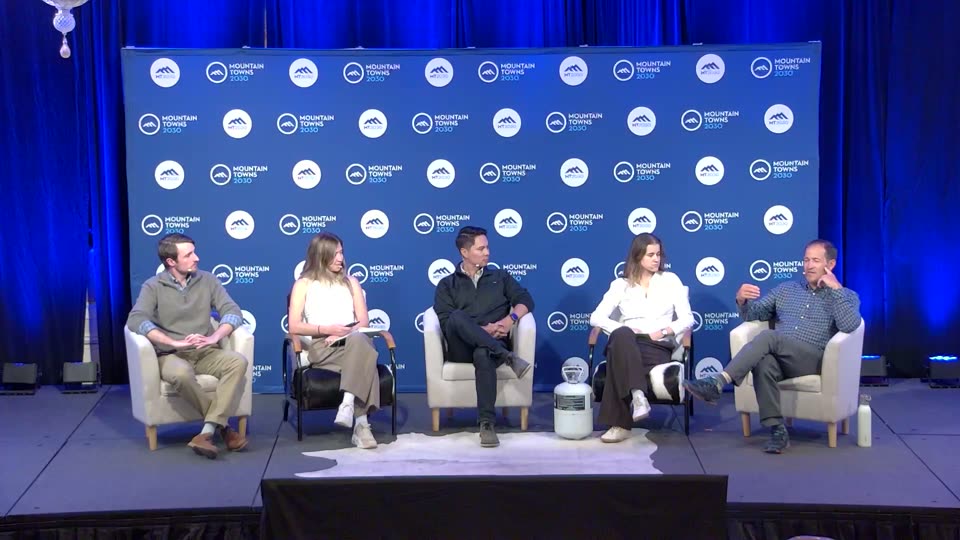
Wildfire is one of the biggest threats facing mountain towns, and as moderator Amy Berry notes, one we know how to reduce. This panel works from ridgelines to rooflines: forest health, fuel breaks, home hardening, and how to pay for it.

Hilary Franz describes a Washington thinning project that stopped a fire six feet from a lodge. Zach Knight explains Blue Forest's Forest Resilience Bond, now $50 million across 12 projects, repaid by water utilities and other beneficiaries. Harry Statter argues for starting at the home, since what sits around a house (cars, firewood, decks) often ignites it; Frontline protected 59 homes in the LA fires. Berry notes Lake Tahoe has about 24 million trees versus roughly 2 million historically, and that vent mesh may be one of the cheapest fixes.

Panel

Day 2, Wed Oct 14 · 9:05-9:40 AM

When Resorts and Communities Work Together: Lessons from the Mountain Collaborative

With: Courtney LaBrie, Director of Sustainability, National Ski Areas Association; Raj Basi, VP, Sustainability, POWDR; Tom Bradley, VP of Sustainability, Boyne Resorts; Fritz Bratschie, Senior Director of Environmental and Social Responsibility, Vail Resorts; Mike Nathan, Senior Manager of Sustainability and Planning, Arapahoe Basin (Alterra Mountain Company)

About this session

The Mountain Collaborative for Climate Action grew out of the first MT2030 Summit in 2019, when Vail Resorts, Alterra, Boyne, and POWDR agreed competitors could work together on climate. Here is what that looks like in practice.

Fritz Bratschie covers the Electron project, an 80 megawatt Utah solar facility that matched Park City Mountain's 2025 electricity use. Tom Bradley describes Montana clean energy work led by Bozeman and Missoula and the spread of renewable diesel for groomers. Mike Nathan shares Summit County's Pay As You Throw and Strong Futures programs. Raj Basi covers a snowpack study at Snowbird and a Mount Bachelor project heating buildings with forest thinnings.

Keynote

Day 2, Wed Oct 14 · 9:45-10:15 AM

The Climate Solution Most Strategies Are Missing, and What We Can Do About It

With: Brett KenCairn, Senior Policy Advisor for Climate and Resilience, City of Boulder

About this session

Most climate strategies focus on one cause: burning fossil fuels. Brett KenCairn makes the case for the other half of the story, which scientists named as early as 1971: the degradation of the living world and the disruption of the carbon and water cycles. For mountain towns at the top of the watershed, he argues, the deeper issue is water.

KenCairn points to past recoveries, from Dust Bowl soil work to China's Loess Plateau, then brings it home to Boulder. He walks through Cool Boulder, a coalition of more than 60 community organizations focused on connected canopies, pollinator habitat and absorbent landscapes. The city also uses paid community stewards, parcel-level canopy mapping, beehives that monitor biodiversity, and satellite analysis of 500 square miles at risk of drying out. He also shares reports from Kansas and Oklahoma of regenerative farming areas getting one to two inches more moisture than surrounding land.

Keynote

Day 2, Wed Oct 14 · 10:40-11:10 AM

How Leaders Can Engage Their Communities Through Better Climate Messaging

With: Eric Asche, CEO, Potential Energy Coalition

About this session

Most Americans are already worried about climate change, but fewer hear the people around them talking about it, and that silence shapes what feels normal. Eric Asche of Potential Energy Coalition shares research on how local leaders, especially mayors, can close that gap. Their polling finds mayors are the most trusted voices on extreme weather, energy bills and pollution.

Asche lays out what tends to work: framing around love, health and money; talking about real people and real harms instead of jobs and factories; keeping topics local and universal rather than political; and leaning on pollution, which closes much of the partisan gap that "climate change" opens. He shares focus group clips with climate-concerned Republicans, an Arizona campaign comparing diesel school bus exhaust to secondhand smoke, and an ad built from real home insurance rate hike and non-renewal letters, their best performing piece with Republican audiences to date.

Keynote

Day 2, Wed Oct 14 · 11:15-11:55 AM

Islands of Coherence: Building the Bones of What Comes Next

With: Rob Davies, Associate Professor, Physics Department, Utah State University

About this session

Rob Davies, who gave the first keynote at the first Mountain Towns 2030 summit in Park City in 2019, returns to widen the frame beyond climate. Drawing on physics and complex systems, he argues that global civilization is deep in ecological overshoot and that the job ahead is building the bones of what comes next. Mountain towns, he suggests, can become "islands of coherence": small pockets of order that help a larger system reorganize.

Davies walks through the planetary boundaries framework, with seven of nine now past the danger line, and uses a tow plane and sailplane metaphor to pose five questions for communities: what can we take with us, what will we mourn, what can we compost, what dropped threads can we pick up, and what should we use now before we lose it. He closes with next steps: build relational trust, assess supply chain weak points, and act on what towns control, like land and water.

Solutions Labs

Two-hour working sessions where partners and communities dug into a single challenge together.

Solutions Lab

Day 1, Tue Oct 13 · 1:15-3:30 PM

Solutions Lab: Mountain Resorts (Hosted by the National Ski Areas Association)

With: Courtney LaBrie, Director of Sustainability, National Ski Areas Association (moderator); Imogen Ainsworth, Brendle Group; Heather S. Henry, VP of Housing and Child Care, Aspen Skiing Company/Aspen One; Anna Nason, Sustainability Manager, Mt. Rose Ski Tahoe; Ford Van Fossen, Central Idaho Program Manager, National Forest Foundation; Kristin Blackler, Sustainability Director, Bridger Bowl Ski Area; Chris Miller, Aspen One

About this session

Ski areas feel climate change first, and what they do shapes the towns around them. This Solutions Lab gathered six resort case studies on adapting operations, housing workers, storing carbon, caring for forests and speaking up on policy.

Brendle Group ran a climate scenario workshop with Grand Targhee staff. Aspen One matched employee housing needs to the housing continuum, from campground tiny homes to a 163-unit workforce project. Mt. Rose spread 11 tons of waste basalt dust on half an acre and measured about 0.45 tons of carbon removed in seven months. The National Forest Foundation has thinned 603 acres and planted about 55,000 trees on Bald Mountain. Bridger Bowl explained its Montana grazing offsets, and Aspen One invited resorts to join an amicus brief on the EPA endangerment finding.

Presenter slides (5)
Solutions Lab

Day 1, Tue Oct 13 · 1:15-3:30 PM

Solutions Lab: Sustainable Buildings (Hosted by Schneider Electric)

With: Caleb Shin, Schneider Electric (moderator); Thomas Clardy, Founder & CEO, Powder Watts; Victoria Schlaepfer, Climate Fund Manager, Park City Community Foundation; Jamie Wolff, Architect, OZ Architecture; Jonathan Rogers, Deputy Executive Director, Climate Action, City and County of Denver; Matthew Mead, Founder & CEO, Hempitecture; Kim Wheels, Special Projects Coordinator, EcoAction Partners; Kimberly Schlaepfer, Managing Director of Climate Mitigation & Resiliency Planning, Lotus Engineering & Sustainability; Tony Tyler, Columbus Pacific Development

About this session

Buildings drive much of a mountain town's emissions and much of its resilience. This Solutions Lab looked at them from several angles: smarter controls, design for a changing climate, electrification, low-carbon materials and building codes.

Powder Watts showed camera-based controls for roof heat cable that cut electric use about 90% at four Deer Valley lodge buildings. Denver shared its climate fund, geothermal rec centers and thermal energy networks. Hempitecture explained hemp insulation made in Jerome, Idaho. The two Kims covered Colorado's new Low Energy and Carbon Code and all-electric code work in Crested Butte, Ridgway and Aspen, and a Park City developer broke down what LEED Gold cost on his Elevation townhomes.

Presenter slides (6)
Solutions Lab

Day 2, Wed Oct 14 · 1:15-3:30 PM

Solutions Lab: Clean Energy & Tech (Hosted by Torus)

With: Siobhan Montoya Lavender, Climate Action Development Director, EcoAction Partners (facilitator); Scott Runkel and student presenters, Sun Valley Community School Green Team; Deborah LaSalle, Founder & Principal Energy & Sustainability Strategist, STRAVEN Strategy Group; Kendra Held, Climate Action Coordinator, EcoAction Partners; Dani Laine, Community Impact Coordinator, Telluride Foundation; Lisa Young, Director, Idaho Sierra Club; Dave, Torus

About this session

Five short talks on clean energy projects already working in and around mountain towns, from a single school roof to a whole town's power supply.

Sun Valley Community School students estimate that smart heat tape controls could cut their school's heat tape costs by about 80%. Deborah LaSalle shows how Boise School District staff concerns led to a ground source heat pump design needing a few boreholes instead of a large field. Kendra Held and Dani Laine explain a southwest Colorado program that pays local tradespeople up to $1,500 to train in heat pumps, solar and electrical work. Lisa Young describes a Boise pilot, won with youth advocates, that puts solar on a city building and gives the savings to low-income energy assistance. Dave from Torus closes with two case studies: a solar, battery and flywheel microgrid in Ticaboo, Utah that cut diesel generator use from around the clock to a few hours a night, and peak shaving at Woodward Park City.

Presenter slides (5)
Solutions Lab

Day 2, Wed Oct 14 · 1:15-3:30 PM

Solutions Lab: Wildfire Resilience

With: Andrew Mentzer, Doctoral Candidate, Founder, Crystal Mountain Consulting; Mason, Community Engagement, Pano AI; Shelby Sommer, Senior Director of Planning and Engagement, Brendle Group; Harry Statter, Founder & CEO, Frontline Wildfire Defense; Ty Tyler, Intermountain Region Director, National Forest Foundation; Chris Corwin, Blaine County Emergency Manager; Reid Black, Division Chief of Community Risk Reduction / Fire Code Official, City of Sun Valley Fire Department

About this session

Wildfire risk is reshaping mountain communities on two fronts: the landscape and the financial systems built around it. This Solutions Lab moves from insurance markets down to the single house.

Andrew Mentzer explains insurance retreat, including a 9% drop in Idaho policies in two years, and what towns can do in the next 90 days. Mason shows Pano AI camera alerts on fires near Big Sky and Steamboat Springs. Shelby Sommer describes Peaks to People, a Colorado water fund that has helped secure close to $10 million for forest work. Harry Statter shares how Frontline sprinkler systems performed in the Los Angeles fires. Ty Tyler walks through the Baldy Mountain fuels project and a 2.2 million acre all-lands partnership in southwest Idaho. Chris Corwin and Reid Black close with Blaine County's 1974 hillside ordinance, free home assessments and mini grants, and new Sun Valley codes that ease tree removal near homes and encourage ember-resistant building.

Presenter slides (6)

Day 1 Workshops

Tuesday, October 13 breakout workshops.

Workshop

Day 1, Tue Oct 13 · 1:15-2:15 PM

Collaborating for Community Impact: Lessons from Public-Nonprofit Partnerships

With: Carter Cox, Nested Strategies & City of Ketchum; Cory McCaffrey, Program Director, Wood River Land Trust; Jade Riley, City Administrator, City of Ketchum

About this session

Big community projects rarely get done by one organization alone. This workshop used Ketchum's Warm Springs Preserve, a former golf course now a 65-acre public open space and river restoration site, as a case study in how cities and nonprofits can share the work of buying, planning, building and caring for a place.
Carter Cox described raising the money to buy the land in one year, using draft deed restrictions to reassure donors, a community foundation to hold funds, and a $1 million seller price cut plus a $1 million match to build momentum. Cory McCaffrey explained setting what is feasible before asking for public input, and pairing a Bureau of Reclamation WaterSMART grant with local match. Jade Riley covered role clarity, phasing, keeping the site open during construction, and the city acting as its own general contractor. Attendees also worked through partnership projects of their own.

Workshop

Day 1, Tue Oct 13 · 1:15-2:15 PM

How Do You Inspire Visitors to Become Better Stewards of the Places They Love?

With: Shelley Cooper, Deputy Director of Marketing, Colorado Tourism Office; MJ Legault, EVP Growth & Strategic Initiatives, MMGY Global; Mira Whang, Account Director, MMGY Global

About this session

Visitors shape the places they come to love, for better or worse. This panel looked at Do Colorado Right, the Colorado Tourism Office's behavior change campaign, and how humor, a clear benefit to the traveler and the right timing can encourage people to travel more responsibly.

The speakers explained how the campaign grew from COVID-era messages into a library of 20 to 25 spots, reaches travelers at Expedia checkout, Denver International Airport and welcome centers, and gives towns free templates and assets to run their own local versions. A Steamboat Springs pilot put tote bags, refillable bottles and trash bags in rental units, and visitors could trade a full trash bag for a hat. They also covered measuring results beyond impressions, the state's new destination stewardship index, and low-budget ideas such as free PSA placements and a do-not-promote list.

Workshop

Day 1, Tue Oct 13 · 1:15-2:15 PM

Narrow-casting & Green-hushing: the Story of Climate Engagement in Small-Town Idaho

With: Meredith Todd, City Planner and Sustainability Planner, City of McCall; Erin Greaves, Public Affairs and Community Engagement, City of McCall; Madison Davis, Environmental Consultant, Lotus Engineering & Sustainability

About this session

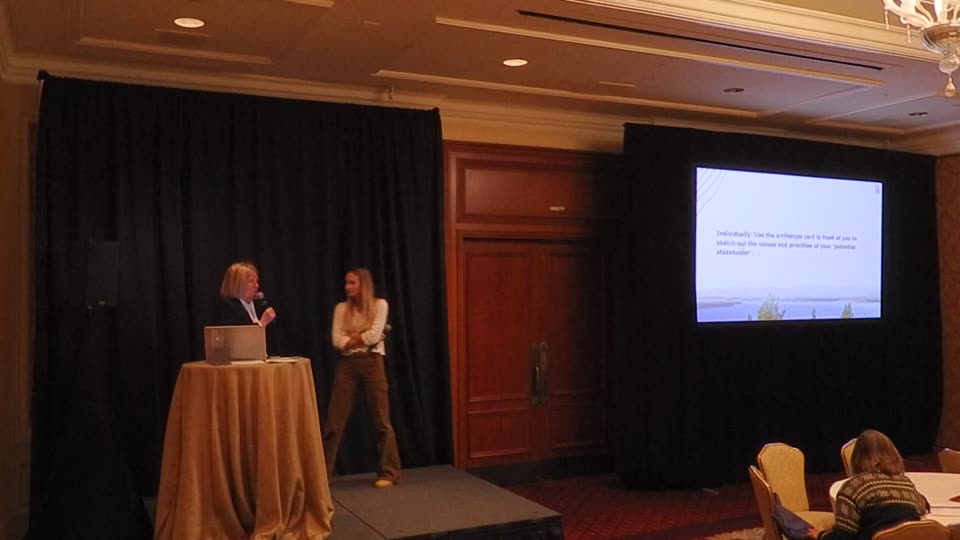
Many residents of McCall, Idaho would rather not talk about climate change, but they care a lot about wildfire, home insurance, algal blooms in Payette Lake, traffic and snowpack. The City of McCall team explains how it ran engagement for its climate action plan by tailoring messages to what different groups value (narrow-casting) and softening the words that shut conversations down (green-hushing).

They walk through interviewing city staff first to learn the "hard nos," building a steering committee of willing messengers that included the Nez Perce Tribe, mapping stakeholder archetypes, an EV demo day, rapid surveys split into bite-sized topics that drew more than 2,000 responses, and "meetings in a box" with photo voice, comic books and case studies. Madison Davis of Lotus shares language swaps such as "responsible management" in place of sustainability. The plan started as Rooted in Resilience and, after 18 months, was adopted as Rooted in Resilience, a climate action plan. The session includes two table activities.

Workshop

Day 1, Tue Oct 13 · 1:15-2:15 PM

Near-Term Warming, Superpollutants, and What Mountain Communities Can Do About Them

With: Meg Baltes, Partnerships Manager, Tradewater (moderator); Zack Henderson, Market Development Innovation Manager, Tradewater; Tom Bradley, VP of Sustainability, Boyne Resorts; William Callahan, Chief of Staff, ZGF Architects; Sasha Shunko, Partnerships Associate, Tradewater

About this session

Gases other than CO2, such as methane and refrigerants, drive nearly half of current warming, and cutting them is one of the fastest ways to slow near-term temperature rise. This session explained super pollutants and how mountain communities, resorts and businesses can help keep them out of the atmosphere.

Tradewater described its two project types: collecting and destroying old refrigerants like R-12, and plugging leaking orphaned oil and gas wells. Tom Bradley explained how Boyne Resorts is reworking its guest travel offset calculator alongside a net zero by 2030 goal for its own operations. William Callahan shared how ZGF builds an offset portfolio around integrity and co-benefits while still cutting its own emissions. Sasha Shunko explained how towns can help residents and facilities turn in old refrigerant, which Tradewater buys at $50 per pound for R-12.

Workshop

Day 1, Tue Oct 13 · 1:15-2:15 PM

Outperforming Their Size: How Mountain Towns are Rewriting the Rules of Sustainable Mobility

With: Matt Dias, Via Mobility; Alfred Knotts, Assistant Public Works, Town of Truckee; Amber, Drop Mobility

About this session

Transit is one of the biggest costs a small town carries, and old fixed-route systems force a choice between wide coverage and efficiency. This workshop looked at how on-demand microtransit and bike share can help mountain towns serve residents and visitors better, often without a bigger budget.

Matt Dias, a former Park City city manager now with Via, shared conversions in Sioux Falls and Rochester, Minnesota that pair fewer, more frequent fixed routes with citywide microtransit. Alfred Knotts explained how Truckee piloted microtransit, saw ridership jump about 400% in the first week, won voter support to keep it, and grew from under 30,000 riders to about 200,000, at roughly $13 to $15 per passenger. Drop Mobility shared e-bike share results from the Vail Valley and Breckenridge, where survey data showed 64% of trips replaced a car trip.

Workshop

Day 1, Tue Oct 13 · 2:30-3:30 PM

Cultivating the Next Generation of Climate-Focused Leaders

With: Rebecca Busic, Regional Director, RECET (Rural Electric Cooperatives Elections Toolkit)

About this session

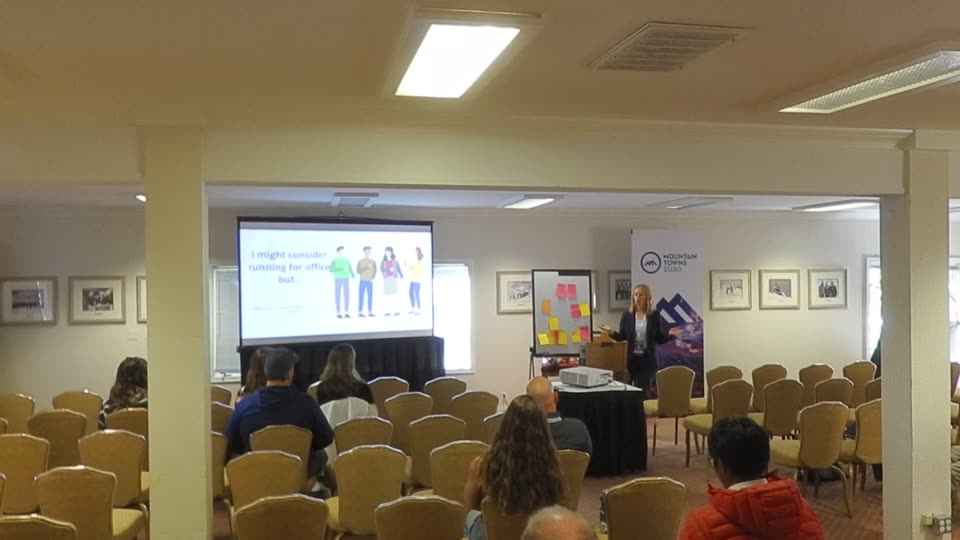
Local offices make decisions about solar on public buildings, composting, water supply and wildfire readiness, yet many races in the Mountain West go uncontested and climate-minded candidates in rural places get little outside support. Rebecca Busic, a community organizer who helps renewable energy supporters run for rural electric co-op boards, leads an interactive workshop for anyone wondering whether they could run for local office.

The room starts by naming its own hurdles (time, money, imposter syndrome) and then works through the candidate journey: exploring the office, building a team, filing, setting a "win number" from past turnout, budgeting, fundraising from the contacts already in your phone, and talking to voters face to face. Rebecca also introduces the Local Leaders Project from RECET and Mountain Towns 2030, with a campaign planning guide, community power and influencer maps, a messaging matrix, a budget calculator, a six-week virtual training and a peer cohort.
Workshop

Day 1, Tue Oct 13 · 2:30-3:30 PM

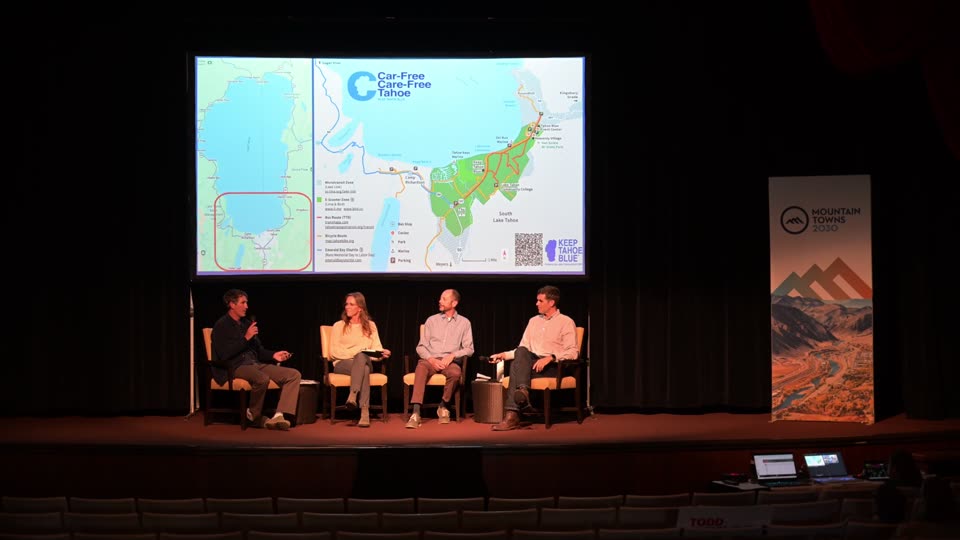
From Vision to Reality: Car-Free, Care-Free Tahoe

With: Jesse Paterson, Chief Strategy Officer, Keep Tahoe Blue; Gavin Feiger, Policy Director, League to Save Lake Tahoe (Keep Tahoe Blue); Sara Letton, Sustainability Coordinator, City of South Lake Tahoe; Fritz Bratschie, Vail Resorts

About this session

Lake Tahoe sees roughly 17 million visitor days and around 10 million cars a year, and fine sediment from roads is the top cause of lost lake clarity. This panel tells how a nonprofit, a city and a ski resort pieced together Car-Free, Care-Free Tahoe, a park-once campaign piloted on the South Shore that sells getting around without a car as part of the vacation, without leading with the environment.

The panelists walk through the layers: Lake Link microtransit, which the city funded after paying off its parking garage bond, year-round snow clearing on bike paths, the Heavenly gondola and expanded resort shuttles, a nonprofit-funded Emerald Bay shuttle later taken over by the transportation district, and Heavenly's peak-day parking reservations with free parking for carpools. They also cover physically blocking illegal roadside parking, a $3 ticket surcharge at a new event center that helps fund transit, and why pilots need to build toward a bigger vision instead of vanishing after a year.

Workshop

Day 1, Tue Oct 13 · 2:30-3:30 PM

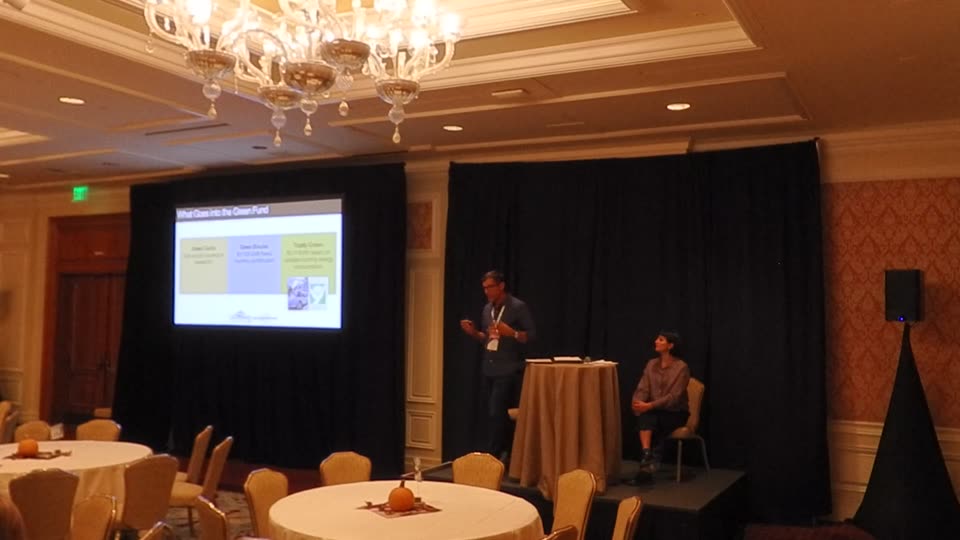
Pennies to Power: How One Cent/kWh is Funding the Rural Energy Transition

With: Paul Hora, Key Accounts Executive, San Miguel Power Association; Emma Gerona, Executive Director, EcoAction Partners

About this session

San Miguel Power Association is a small electric co-op serving about 15,000 members across nine distinct communities in southwest Colorado, some eager for renewables and some tied to coal mining jobs. To fund local clean energy without raising everyone's rates, the co-op set up a Green Fund outside its normal rate structure, and its regional nonprofit partner, EcoAction Partners, turns that money into programs on the ground.

The fund is fed by a bill round-up that members can opt out of and by Totally Green, a voluntary one-cent-per-kWh renewable energy credit purchase that adds about $8 a month for an average home. It has helped support four local solar and hydro projects (including an array serving income-qualified residents), rebates, free heat pumps through the CARE weatherization program, which has served over 300 homes, and an energy workforce program with 10 graduates since 2024. Paul and Emma also explain how the co-op pushed its wholesale provider, Tri-State, to raise the local generation cap from 5% to 20%, and how residents can engage their own utility.

Workshop

Day 1, Tue Oct 13 · 2:30-3:30 PM

Turning Reuse into Reality: Community-Driven Solutions for Waste Reduction

With: Carmen Lopez, Sustainability Program Analyst, Town of Truckee; Melanie Grebitus, Sustainability Program Analyst, Town of Truckee

About this session

After a litter audit found that 68% of litter in Truckee, California was single-use food and beverage packaging, and local students started showing up at council meetings, the town set out to cut disposables rather than swap them for compostable ones. Carmen Lopez and Melanie Grebitus of the Keep Truckee Green division share how the town built two ordinances with residents and businesses, and what implementation has really looked like.

The foodware ordinance (in effect January 2024) bans polystyrene foam, makes accessories by request only, requires reusables for dining in, and adds a 25-cent fee on disposable cups and containers, with an exemption for WIC, EBT and Medi-Cal participants. Since Earth Day 2025, plain water in single-use plastic bottles under a gallon is no longer sold in town. Support programs include a $5 Green Box takeout container, an app-based reusable cup program, free dish and water station loans for events, and a filling station grant that has helped install 23 stations. The speakers are candid about complaint-based enforcement, reaching visitors and the need for better litter data.

Workshop

Day 1, Tue Oct 13 · 2:30-3:30 PM

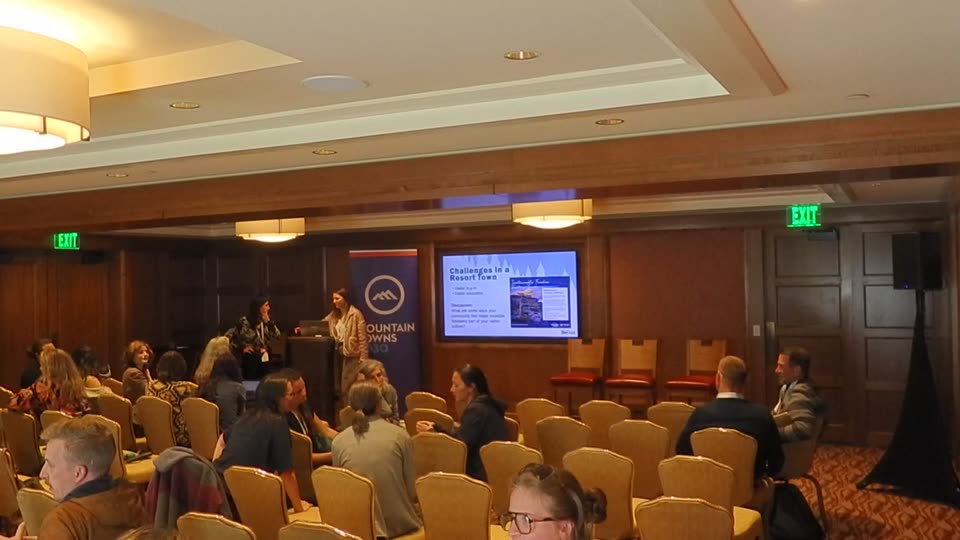
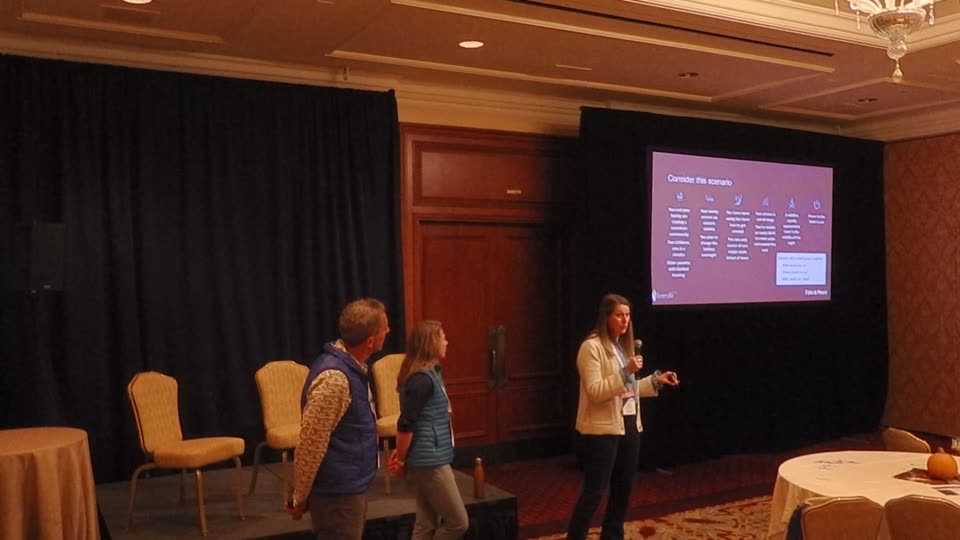
When Every Route Matters: Integrating Mobility and Resilience Hubs in Mountain Communities

With: Shelby Sommer, Director of Planning and Engagement, Brendle Group; Imogen Ainsworth, Brendle Group; Jason Miller, Fehr & Peers

About this session

Mountain towns often have one road in and out, unreliable power, and big swings between the population on an off-season Tuesday and a peak-season Saturday full of visitors. Drawing on their own experiences with the Tubbs, 416 and Beaver Creek fires, the presenters argue that resilience hubs, mobility hubs and evacuation planning work better when they are planned together instead of in silos.

The workshop opens with a scenario: a visiting family with young kids, older parents and a nearly empty EV wakes to smoke and a power outage. From there the presenters cover the ingredients of a resilience hub (community buy-in, supplies, backup power and storage), mobility hub planning in Fort Collins and Boulder's work to turn five parking garages into hubs, and evacuation basics such as drills, interagency agreements, consistent alerts and portable message signs. They close by crosswalking the three ideas, with participants from Truckee, Montana and elsewhere sharing what they are working on.

Workshop

Day 1, Tue Oct 13 · 2:30-3:30 PM

Whose Loop is it Anyway? A TEN Governance Panel Focused on Mountain Towns

With: Matt Garlick, CEO, The GreyEdge Group (moderator); Mathew Mendisco, Town Manager, Town of Hayden; Luke Cartin, Director of Lands and Sustainability, Park City; Jessica Burley, Sustainability Manager, Town of Breckenridge; Kristen Bertuglia, Director of Sustainability, Town of Vail

About this session

Thermal energy networks (TENs), shared loops of water-filled pipe that trade heat between buildings and the ground, are proven technology, yet feasibility studies often stall on three questions: who pays, who owns and who operates. Moderator Matt Garlick and leaders from four mountain towns compare how they are answering them.

Hayden, a coal transition community, will own and run its network like its water utility, serving a new business park of 15 commercial buildings, with enhanced tax credits and a public works crew hauling drilling mud to save about $500,000. Vail's snowmelt system costs the town about a million dollars a year, so it is starting with a first node at the library and ice arena and exploring a public-private model with its electric co-op, Holy Cross Energy. Breckenridge is one of five Colorado pilot communities working with Xcel Energy to avoid future gas investment, and Park City is studying mine water and wastewater heat at a city-owned brownfield site.

Day 2 Workshops

Wednesday, October 14 breakout workshops.

Workshop

Day 2, Wed Oct 14 · 1:15-2:15 PM

Advancing a Climate Agenda in Today's Political Landscape: A State Roundtable

With: Sonja Macys, Routt County Commissioner and President, Colorado Communities for Climate Action (moderator); Josh Slotnick, Missoula County Commissioner, Montana; Jacob Smith, Executive Director, Colorado Communities for Climate Action

About this session

How do local governments keep climate work moving when the federal government isn't an ally, and in some places the state isn't either? This roundtable compares two very different settings: Missoula County, a blue county inside a deeply red Montana, and Colorado, where a coalition of local governments has become a real force at the statehouse and the utilities commission.

Josh Slotnick explains his approach of relationship, partnership and controlling what you can: showing up at the state association of counties, teaming with the cities of Missoula and Bozeman on a renewable power deal with NorthWestern Energy, and financing solar on the county detention center through a local investor. Jacob Smith walks through CC4CA's work with the state attorney general, its wins at the Public Utilities Commission against Xcel, and a law that stopped Xcel from charging customers for its lobbying. Sonja Macys describes how a grant concierge helped members land 168 grants worth $1.3 billion. Audience members from Idaho, Durango and Ashland, Oregon add their own lessons.

Workshop

Day 2, Wed Oct 14 · 1:15-2:15 PM

Decarbonizing the Last Mile

With: Kolby Ward, VP, Business Development, 106West Logistics (moderator); Ryan Kenney, Police Chief, Town of Vail; Jessica Burley, Sustainability & Parking Manager, Town of Breckenridge; Meghan Quinn, Executive Director, Teton Village Resort District

About this session

Towns that want more people walking and biking downtown keep running into delivery semis parked on Main Street, in alleys and at the resort base. This panel looks at coordinated delivery programs, where distributors drop their products at one small cross-dock and electric carts handle the last mile, through the experience of three very different places: Vail, Breckenridge and Teton Village. Together they report removing 27,890 trucks and more than 1,000 metric tons of emissions from their downtowns.

Vail routed trucks into loading docks it had required during redevelopment decades ago, freeing the eight code enforcement officers who used to herd trucks; tiered dock fees now cover about 45% of costs. Breckenridge leases temporary dock space on a redevelopment site, recovers about 20% of its costs, and uses the returning carts to backhaul clean cardboard. Teton Village, a resort district with a small budget, built its dock in its maintenance yard and went live in November 2025. Their lessons: size the dock for full participation, don't promise away revenue options, and talk to building officials early.

Workshop

Day 2, Wed Oct 14 · 1:15-2:15 PM

The Heat Beneath our Feet: City of Boise Geothermal Program

With: Steve Hubble, Climate Action Manager, City of Boise; Katie O'Neill, Energy Program Manager, City of Boise

About this session

Boise created the world's first geothermal heating district in 1891, and today four separate geothermal systems heat buildings under the city. Steve Hubble and Katie O'Neill explain how the City of Boise's direct-use system works, what makes it hard to run and grow, and where they hope to take it next.

Water comes out of the ground at 177 degrees, heats nearly 100 downtown buildings through heat exchangers, and is reinjected 3,200 feet down to keep the aquifer healthy. They cover aging concrete pipe, water rights limits, thermal imaging flights that spot leaks, and a Bloomberg Mayors Challenge project (Boise was one of 24 finalists) to bring geothermal heat to a 300-plus unit affordable housing building. They also share modeling that points to 466 million gallons a year as the sweet spot for growth, and the rising demand for cooling. The Q&A covers metering, tax credits, financing, and advice for small towns that have hot water of their own.

Workshop

Day 2, Wed Oct 14 · 1:15-2:15 PM

The Utah Model: How a Red State Became a Renewable Energy Testbed

With: Luke Cartin, Board Member, Mountain Towns 2030

About this session

Utah's official state rock is coal, its legislature is 88% Republican, and its main electric utility is owned by Berkshire Hathaway. Even so, a group of Utah communities has built a path to 100% renewable electricity. Luke Cartin, who leads lands and sustainability for Park City, explains how it happened and why the approach is built on choice, cost and benefits rather than carbon talk.

He traces the steps: Park City, Salt Lake City and Summit County using five-year utility franchise agreements to bring Rocky Mountain Power to the table, a joint clean energy statement in 2017, and the 2019 Community Renewable Energy Act, which passed with two-thirds majorities. Sixteen communities, covering about 25% of the utility's sales, have now joined an opt-out program approved by regulators in 2026, with a $4 a month residential charge and a credit that makes it free for low-income customers. He also covers the 80-megawatt Elektron solar project on state trust land, and how to work with legislators who keep trying to change the law.

Workshop

Day 2, Wed Oct 14 · 1:15-2:15 PM

Zero Waste Event Resource Guide for the Community

With: Victoria Schlaepfer, Climate Fund Manager, Park City Community Foundation; Morgan Mingle, Senior Director of Sustainable Tourism, Park City Chamber & Visitors Bureau

About this session

Events are one of the most visible places a mountain town produces waste, and they reach residents, part-time residents and visitors alike. Victoria Schlaepfer and Morgan Mingle share how Park City and Summit County, Utah, built a step-by-step zero waste guide for event organizers, starting from large events at Deer Valley Resort and working with the city, the county and local nonprofits.

The project began with a $30,000 sustainable tourism grant from the Chamber, which paid for a consultant and collapsible event bins, including ten community bins anyone can borrow from Recycle Utah. The presenters explain why they rewrote the consultant's dense draft into a simple, ranked checklist, and what they learned staffing waste stations themselves at the Oakley rodeo, where diversion reached about 68%: talk to vendors ahead of time, remove unstaffed trash cans, and plan for liquids. Next steps include a volunteer base for staffed stations, event permitting updates, food waste grants, and a new green event certification. The Q&A covers reusable dishware, swag, food donation and winter events.

Workshop

Day 2, Wed Oct 14 · 2:30-3:30 PM

Built to Last: Turning Sustainability into Standard Practice in Mountain Communities

With: Zach Poff, Recreation Planner & Public Lands Strategist, SE Group (moderator); Kristen Carey, Mountain Planner, SE Group; Josh Johnson, Central Idaho Director, Idaho Conservation League; Jennifer Melton, Director, Alta Environmental Center, Alta Ski Area; Betsy Siszell, Sustainability Manager, Sun Valley Resort; Gabby Voller, Communities Program, SE Group (guest panelist)

About this session

Many of the decisions that shape a mountain community, a ski area or the public lands around them are made long before the first tree is cut or the first dollar is spent. This panel asks how sustainability can become a normal part of master planning, NEPA, design and capital budgets, rather than something added late or fought over once a project is underway.

Examples include Alta walking lift lines a year or two ahead of projects and building trust with operations staff, Sun Valley finding newly listed whitebark pine in the path of a lift replacement, and a reseeding project at Roundhouse that cost about 2% of the total. Josh Johnson describes a fund near Salmon, Idaho where a cobalt mine puts over $100,000 a year into conservation projects granted jointly with ICL, and Gabby Voller explains how the Nederland, Colorado community plan used a resilience framework to find weak links like a single water intake pond.

Workshop

Day 2, Wed Oct 14 · 2:30-3:30 PM

Climate Change, Mental Health, and Resilience in Mountain Communities

With: Charlotte Lin, Sustainability Manager, Town of Avon (moderator); John Clark, Mayor, Town of Ridgway; Helena Robinowitz, Sustainability Specialist, Arapahoe Basin Ski Area; Mollie Theis, Outreach Coordinator, EcoAction Partners

About this session

Most climate sessions are about the work. This one is about the people doing it. Four panelists from Colorado local government, a ski area and a nonprofit talk openly about the emotional weight of climate work, how they handle hard news while still showing up, and how mountain communities can support the mental health of their workers and residents.

The panelists share practical tools: the Climate Mental Health Network's climate emotions wheel, Climate Psychology Alliance climate cafe trainings, and grief and gratitude workshops held at a local library. Helena Robinowitz describes the employee wellness group she started at Arapahoe Basin, and John Clark speaks about his own mental health, the value of Mental Health First Aid, and why Ridgway kept its summer concert series going during a nearby wildfire. Charlotte Lin points to Eagle County's free therapy sessions for county employees and her push to train local clinicians in climate distress. The session also includes a short group exercise and audience share-outs.

Workshop

Day 2, Wed Oct 14 · 2:30-3:30 PM

Coalition, System, Site: Building Resilience with Community-Scale Biochar

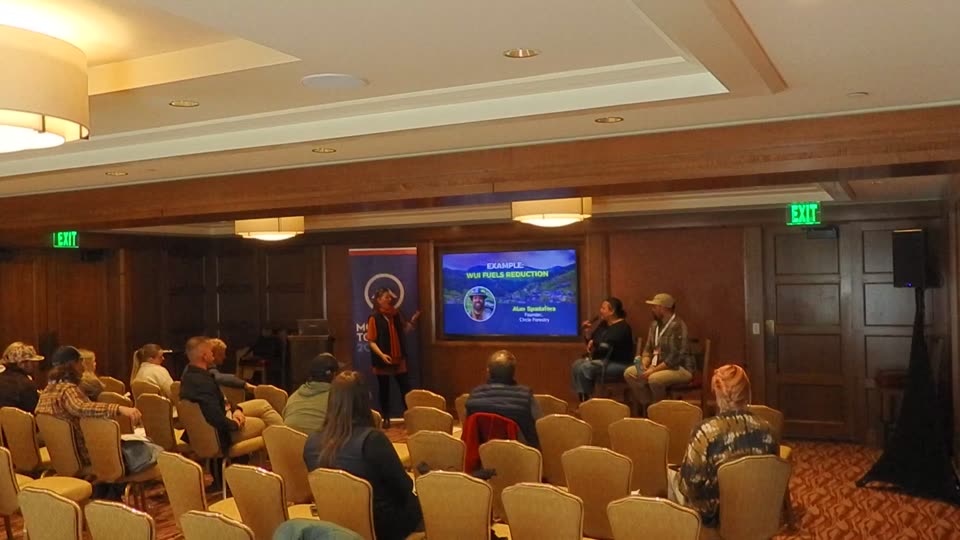
With: Korina Stark, Circular Spring; Celia Peterson, Environmental Sustainability Project Manager, Park City Municipal; Alan Spadafora, Owner and Founder, Circle Forestry

About this session

Mountain towns share the same problems: slash piles from wildfire mitigation, smoky burn days, filling landfills, drought and erosion. This panel shows how community-scale biochar, made by heating wood and other organic waste with little oxygen, can address several of them at once, and offers a practical way to start by mapping your waste streams, end uses, funding and partners.

Celia Peterson describes Park City's work, including a Climate Smart Communities Initiative grant of about $108,000 for a year of planning, and interest in making biochar from wastewater biosolids. Alan Spadafora walks through the Thaynes Canyon project, an 80-acre site in a critical drinking watershed: kilns that each turn seven to eight tons of feedstock into about 11 cubic yards of biochar a day, burn plans and permits, and 300 to 500 gallons of water to quench each kiln. Korina Stark explains how Washington State reclassified these kilns under pile burning rules. The Q&A covers carbon credit measurement, ski resort forests, and burning invasive weeds like Scotch broom.

Workshop

Day 2, Wed Oct 14 · 2:30-3:30 PM

From Curiosity to Construction: The Mountain Town TEN Playbook

With: Matt Garlick, CEO, The GreyEdge Group; Megan Lim, Education & Business Development, The GreyEdge Group

About this session

Thermal energy networks link buildings through a shared ambient water loop so heat pumps can trade heat between them and draw on sources like boreholes, wastewater and waste heat. This session explains how the systems work, why mountain towns are well placed to use them, and what it takes to get a project from first interest to construction, with governance (who pays, who owns, who operates) settled early instead of last.

Matt Garlick and Megan Lim walk through real mountain examples: Park City's Bonanza Park area, which could draw heat from flooded mine water and a sewer line carrying a million gallons a day; treated effluent, snowmaking water and the Dobson Ice Arena in Vail; and a 1,000-foot test borehole for the Aspen School District. They cover the federal tax credit of 30 to 50% for geothermal, Colorado's state incentives, why roughly 300 tons of capacity is often the tipping point, and governance models from Eversource in Framingham, Massachusetts to the Town of Hayden, Colorado, which now sells heating and cooling as a thermal utility.

Workshop

Day 2, Wed Oct 14 · 2:30-3:30 PM

Meeting 2030 Climate Goals (in these times!)

With: Tori Franks, Resiliency Director, Eagle County; Kristen Bertuglia, Director of Environmental Sustainability, Town of Vail; Eve Cord, Sustainability Specialist, Blaine County

About this session

With 2030 only a few years away and federal support pulled back, are climate goals still doing their job? Three local government sustainability leads from Idaho and Colorado compare how they set their goals, how those goals show up in daily work and budgets, and what they are learning as the deadline gets closer.

Eve Cord explains how Blaine County pairs broad goals with 57 specific actions, works around an Idaho law that blocked local green building codes, and has seen its plan written into the Ketchum and Hailey comprehensive plans, with about 40% of actions underway. Kristen Bertuglia shows how a cleaner grid from Holy Cross Energy cut Vail's emissions but won't get it to 50% alone, and how retuning the town's snowmelt system saved $120,000 in one year. Tori Franks describes Eagle County's geothermal retrofit of its main building, which cut 142 metric tons, and a decarbonization plan that lists every project needed to reach 2030, about $25 million in all. Audience questions cover heavy fleet vehicles, inventory timing, renewable energy certificates and getting other departments to own the actions.

Workshop

Day 2, Wed Oct 14 · 2:30-3:30 PM

The Clock is Ticking: How Denver Uses Data to Focus Our Efforts

With: Jonathan Rogers, Deputy Executive Director, Climate Action, City and County of Denver; Nick Russell, Senior Associate II, Lotus Engineering and Sustainability

About this session

Denver has cut its greenhouse gas emissions 36% since 2015, but nearly all of that came from a cleaner electric grid. Jonathan Rogers and Nick Russell show how the city uses its emissions data to see what is really driving progress, pick the few levers that matter most, and check whether its programs are working.

Nick Russell walks through the public GHG inventory dashboard Lotus built for Denver, a single source of truth for a decade of data, and an Excel forecast model that follows equipment turnover to show how many homes need to electrify each year. Jonathan Rogers shares what the modeling found: three actions deliver about 90% of the cumulative reductions through 2050, and even a 10% per-person cut in driving leaves total miles flat by 2050 as the city grows. He covers clean heat permits tripling in three years, Denver's first all-geothermal recreation center, faster heat pump permits, and plans to move city buildings off downtown steam, all backed by a voter-approved sales tax that brings in $50 million a year.