Aspen’s Organic Waste Diversion Initiative
Project Overview
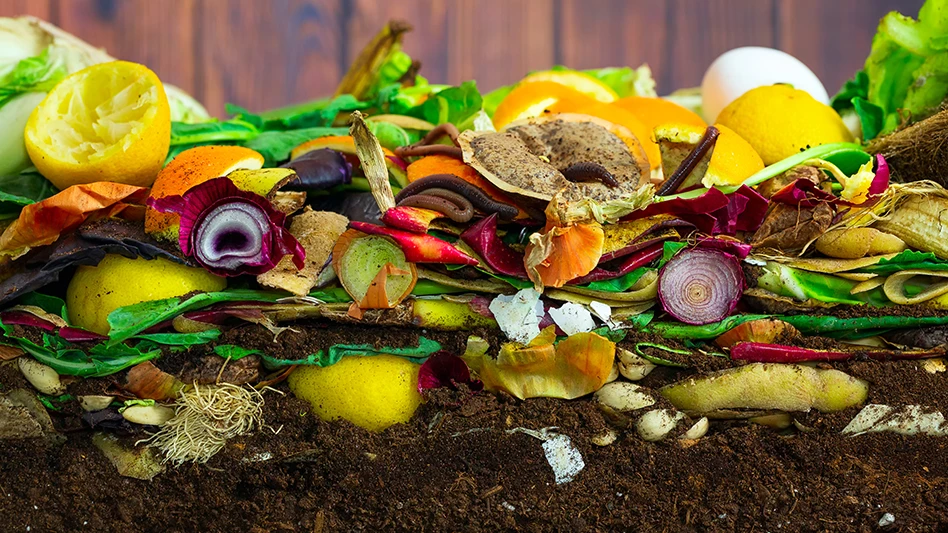
Aspen, Colorado has deployed a robust Organic Waste Diversion program by passing an ordinance that will ban all organic waste from the town’s trash and recycling by 2028. The policy addresses a critical issue a waste study identified: 42.6% of the trash entering the Pitkin County Solid Waste Center was compostable, organic matter.
The City of Aspen is implementing the ordinance in three phases. Phase 1, effective October 15, 2023, mandated all businesses holding a retail food license, including restaurants and grocery stores, to separate organics from trash. After Phase 1, Aspen saw a 350% increase in food scraps converted into compost for local soil enhancement. Phase 2, effective January 15, 2026, expanded the mandate to all commercial businesses and multifamily residential properties. Phase 3, effective January 15, 2028, will require all Aspen residents and occupants within city limits to separate organics from non-organic trash and recycling.
To help residents comply, the City of Aspen provides free indoor countertop compost bins available for pickup at City Hall, and a free 6.5-gallon organic waste collection bucket at the Pitkin County Solid Waste Center. The city provides bilingual educational materials, trained support staff, and grants for residents to purchase in-home food recycling appliances at a discounted price. Residents can sign up for curbside compost pickup through a private waste hauler, drop it off free at any of five downtown locations, haul it directly to the Pitkin County Solid Waste Center, or donate unexpired food to local food distribution networks like LIFT-UP and Harvest for Hunger.
Lessons Learned
Specific Outreach Through Phased Rollout
Rolling out the ordinance in phases, starting with specific commercial sectors like restaurants and grocery stores, let city staff conduct targeted, highly effective outreach, including language inclusion of materials and training, and build direct relationships with key stakeholders before expanding the program citywide.
Language Inclusion
Native Spanish speakers make up a large portion of Aspen’s service and hospitality workforce. Ensuring program administrators were bilingual and able to conduct direct, back-of-house training in Spanish was critical for high levels of restaurant compliance.
Managing Seasonal Changes and Tourism
Multi-family properties in resort communities heavily utilize short-term rentals, leaving many units empty during shoulder seasons; mandating large, standardized collection bins can result in high hauling fees for property managers of mostly empty containers. Future iterations should investigate downsized bins or block-by-block alley sharing. During tourism spikes, restaurant kitchens can become overwhelmed to maintain perfect sorting, so program administrators should accept seasonal variance and focus on system resilience over flawless year-round execution.
Wildlife Protection
In active wildlife corridors, standard curbside residential buckets are highly susceptible to bear and other animal activity. Mountain municipalities should invest in fortified, bear-resistant centralized drop-off networks rather than individual, weak plastic residential curbside collection.
Accessibility and Landfill Partnerships
Providing free or low-barrier physical tools, like small countertop compost bins or grants for in-home food recycling appliances, drastically boosts initial community morale and onboarding participation. A municipality’s compost rules must also constantly evolve alongside the physical capabilities of its partner landfill; Aspen learned that some paper products technically meet policy standards but fail to break down efficiently in regional facilities using dry, water-restricted composting, so public messaging must adapt to partner landfill feedback.
Waste Diversion as a Gateway Policy
While solid waste diversion accounts for a minor share of a mountain town’s overall emissions compared to building energy use, it remains the lowest-barrier entry point for environmental action. Engaging community members in highly visible, achievable daily acts like composting builds the civic momentum needed to tackle more complex, expensive initiatives.
Program Contact
Jimena Baldino, Waste Diversion and Recycling Program Administrator, City of Aspen
Tessa Schreiner, Environmental Health and Sustainability Manager, City of Aspen
Clare Mclaughlin, Sustainability Manager, City of Aspen